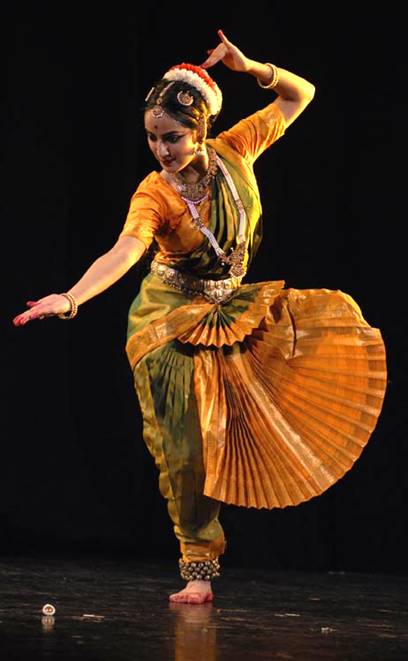
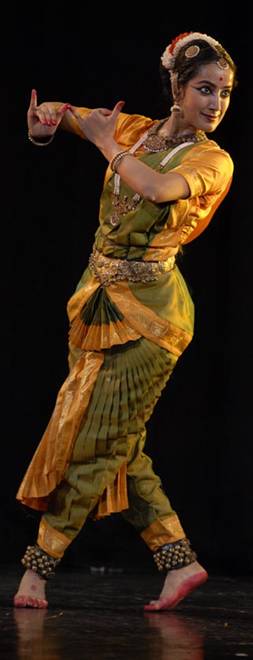
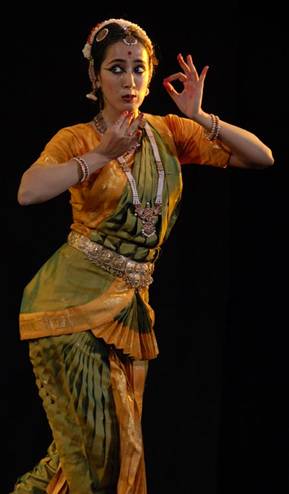
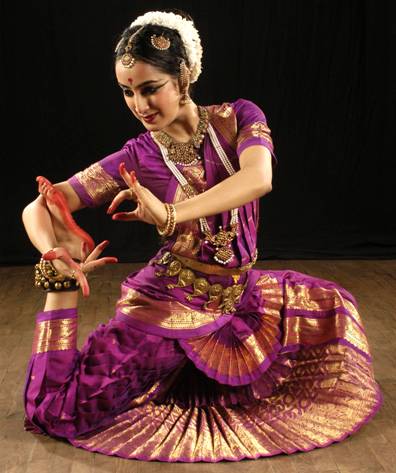
 Pallavi Saran Gujral
(nee Pallavi Saran Mathur)
About Bharatanatyam
Dance & Music are of great importance
in the culture of
The ancient Bharata-natyam
dance was originally a temple dance, and it has been described as Poetry in
Motion. Its origins lie in the Natya Shastra, written around 1500 BC by the great sage, Bharata Muni.
Since
then, this dance form has been immortalized as much by great dancers, as by
sculptors who have demonstrated the perfection of its technique in the flowing
lines of temple sculptures. The
structure of Bharata-natyam allows ample
opportunity for the dancer to enjoy the greatest sense of fulfillment in pure
dance, where no other demands are made on her except to harmonize with the
melody and rhythm of the accompanying music.
There are large sections of the dance in
which the dancer must convey a story or an emotional or spiritual state, and to
master this is the ultimate test for the dance. The interpretation of the
lyrics in dance is interspersed by sections of pure dance, without any specific
relevance to the lyrics. These sections are meant to provide dramatic relief
within the composition, and to allow the dancer to enjoy the freedom of pure
dance. Since the dance has been handed down the generations orally, the
musicians and the dancer in these sections are usually directed by the
enunciation of mnemonic phrases that delineate the pattern that the drummer and
the dancer have to follow.